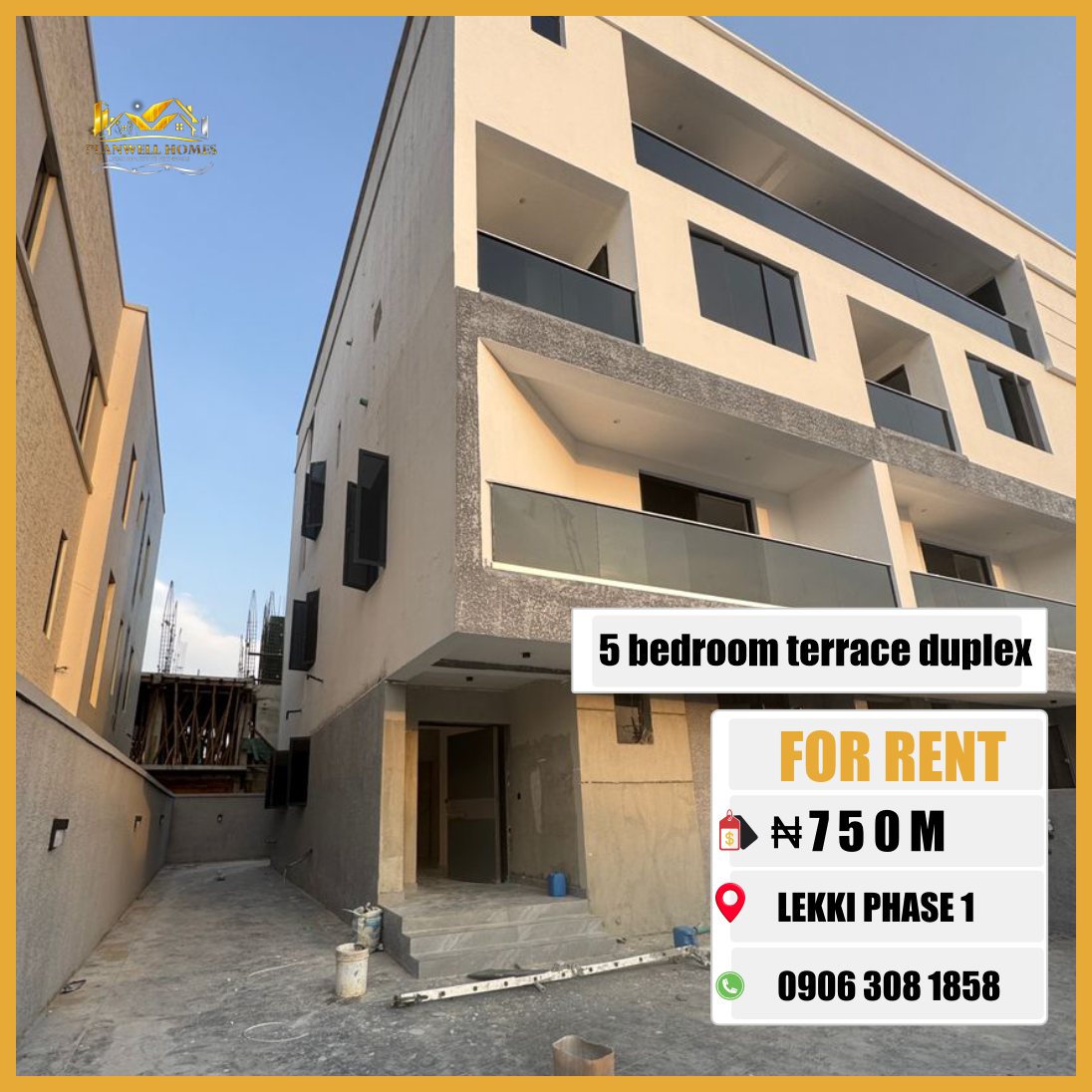
Every year Lagos property owners face the same envelope (or SMS): Lagos Land Use Charge. It is the state’s consolidated annual property tax — and for 2026, the Ministry of Finance again dangled a 15% early-payment discount when bills rolled out, while warning that enforcement against prior-year defaulters would tighten (TheStar coverage of the 2026 LUC release).
If you own, long-lease, or collect rent on Lagos real estate, this levy sits in your holding-cost math next to service charge and maintenance. Here is how it works in plain language.
What Lagos Land Use Charge is
Lagos Land Use Charge (LUC) merges three older levies — ground rent, tenement rate, and neighbourhood improvement levy — into one annual bill payable to the Lagos State Government. LIRS FAQ material describes property tax / Land Use Charge in those consolidated terms.
Liability sits primarily with the owner, broadly defined under the Land Use Charge Law framework (the 2020 amendment remains the core statute commonly cited in practitioner guides). Long leases (often framed as ten years or more) and parties receiving income from the property can also fall inside the net. Bare, undeveloped plots are chargeable — land banking is not a tax holiday.
Proceeds help fund state infrastructure. Whether your street feels the benefit does not change the legal duty to pay.
How the bill is calculated
Practitioner explainers such as NaijaProperty’s 2026 LUC guide summarise the formula as:
LUC = Market Value × Relief Rate × Charge Rate
Where market value is the assessed land-plus-building value, a general relief of 40% applies to chargeable property (so the relief rate factor is commonly 0.6), and the charge rate depends on use. Published rate bands widely cited after the 2020 amendment include:
| Use | Charge rate (commonly cited) |
|---|---|
| Owner-occupied residential | 0.0394% |
| Vacant / undeveloped land | 0.0394% |
| Agricultural land | 0.01% |
| Industrial / owner + third-party residential | 0.132% |
| Let residential (owner not in residence) | 0.394% |
| Commercial / business | 0.394% |
Same building, different use classification — and the annual tax can jump by an order of magnitude. A minimum payable figure of ₦5,000 is commonly referenced regardless of relief stacking. Always verify the figure on your demand notice and the official LUC / revenue portals; do not budget from a blog table alone.
The 15% early-payment discount (and other reliefs)
For the 2026 cycle, Lagos again urged owners to use the 15% early-bird discount for prompt payment within the window printed on the bill (often about 30 days in practitioner summaries). That is the simplest saving available to organised owners.
Other reliefs typically require application with evidence — age, disability, long occupancy, and tightly conditioned pensioner exemptions among them. Stack only what the law and your documents support; unsupported claims invite reassessment.
Diaspora owners should note that Lagos has been expanding digital channels for assessment and appeals (including virtual tribunal pathways reported in 2025 industry guides). Paying remotely is easier than arguing a penalty after a year of silence.
Investors: bake LUC into yield
If you rent out a Lekki or Yaba flat, you sit in the higher let residential band. Price that into net yield alongside agency fees, voids, and repairs. Undeveloped Ibeju or Epe plots still attract charge — idle land is not free to hold.
Before you buy, ask the seller for recent LUC receipts and outstanding assessments. Unpaid charge can become a closing friction and, in persistent default, an enforcement problem. Clean tax history pairs with clean title — the same discipline we stress when covering Lagos Governor’s Consent.
How to pay without drama
- Find your Property Identification Number (PIN) on the demand notice.
- Confirm assessed value and use classification; object inside the stated window if either looks wrong.
- Apply for reliefs before you pay so discounts show on the bill.
- Pay through official Lagos revenue channels (portal, approved banks, and other state-listed options).
- Keep the receipt with your title file — buyers and banks ask for it.
Ignoring the bill is expensive. The 2020 framework shortened the runway of notices before enforcement steps, and the 2026 messaging explicitly flagged action against 2025 defaulters.
Bottom line
Lagos Land Use Charge is predictable if you treat it like any other portfolio cost: check the use class, claim lawful reliefs, and pay inside the early window for the 15% saving. For owner-occupiers the annual hit is usually modest; for landlords and commercial holders it is a real line item. Budget it before you celebrate gross rent.